
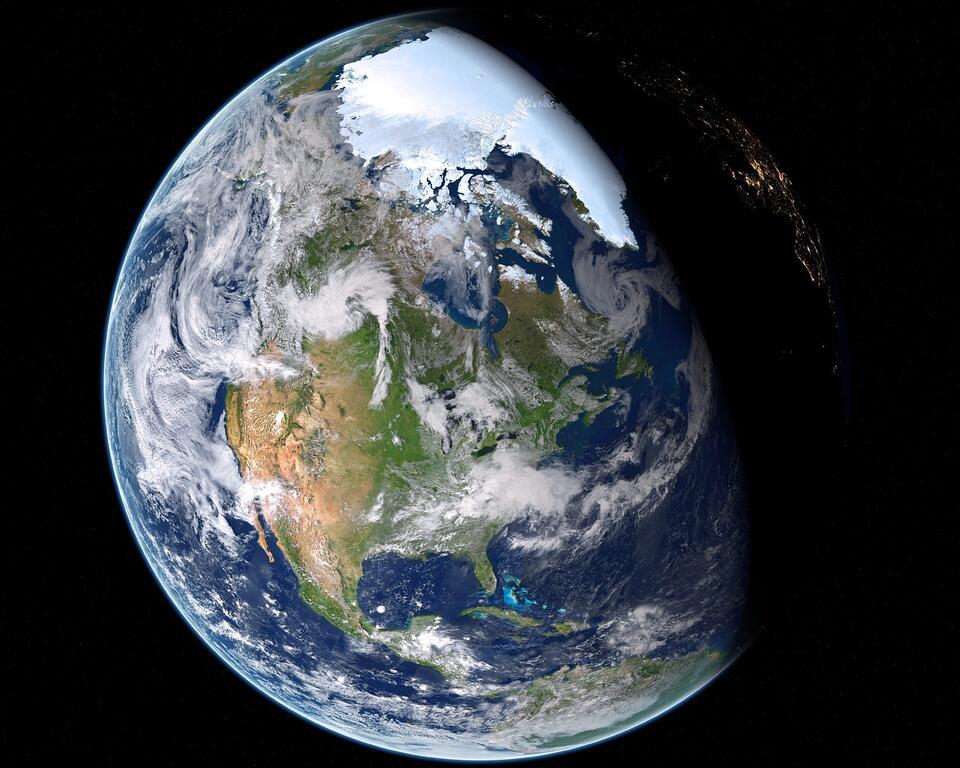
A recent study subtitled “A Scientific Assessment of the State of the Planet”, provides a useful and relatively succinct and graphic overview of the physical and biological state of our planet. It is based upon, quoting the study:
“The Planetary Boundaries (PBs) – the nine processes that are known to regulate the stability, resilience (ability to absorb disruptions) and life-support functions of our planet.”
The 2025 PHC (Planetary Heath Check) report concludes that seven out of the nine Planetary Boundaries as they define them have been breached, with all of those seven showing negative ecological trends which taken as a whole, or described individually, suggest deterioration and destabilization of planetary health in the near future.
The seven described are:
Climate Change, Change in Biosphere Integrity, Land System Change, Freshwater Change, Modification of Biogeochemical Flows, Introduction of Novel Entities, and Ocean Acidification.
The two processes which remain within what the study calls the “Safe Operating Space” are: Increase in Atmospheric Aerosol Loading (improving global trend) and Stratospheric Ozone Depletion (currently stable).
For over 10,000 years, roughly covering the rise of agriculture and complex civilizations and increasing urbanization, humanity has survived within a period of climatic stability within an Earth system which supported the rise and dominance of the human species. This epoch is commonly referred to as the Holocene.
However, since the middle of the 20th century we have been in an era increasingly referred to as the Anthropocene – the current era, in which human activity has become the dominant force in shaping the Earth system. It should be noted that there is some disagreement amongst scientists as to when this era arrived as well as the “Anthropocene” designation as well and some refer to it as “The Great Acceleration”.
There is an overwhelming consensus however that human socio-economic, in particular fossil-fuel driven activity, has been the overriding environmental impact on earth systems during this period.
Quoting the study:
The Earth system possesses an intrinsic capacity for self-regulation that has historically helped maintain Holocene-like conditions favourable to civilization. This resilience stems from tightly coupled interactions and feedback processes among the biosphere, climate, and other planetary processes…Over the past 150 years, this resilience has absorbed more than half of human-induced greenhouse gas emissions through land and ocean carbon sinks. However, mounting evidence shows that this carbon uptake capacity is weakening.
Natural carbon sinks on land are saturating or turning into carbon sources, global warming appears to be accelerating, and early warning signs of tipping behaviour are emerging in key systems.
The following is a brief summation of the seven “tipping points” described in the study as well as a few positive indicators.
Climate Change:
Earth’s climate is in the danger zone: Greenhouse gas concentrations have reached record levels, global warming appears to be accelerating, and conditions are continuing to worsen.
Change in Biosphere Integrity:
Nature’s safety net is unravelling: Extinctions and loss of natural productivity are far above safe levels, and there is no sign of improvement.
Land System Change:
Earth’s forests are shrinking, and most are already below safe levels, with the overall trend still negative– although the pace of forest loss has slowed.
Freshwater Change:
Human impact on rivers and soil moisture is growing, pushing water systems further from stability and heightening drought and flood risk.
Modification of Biogeochemical Flows:
Fertilizer overuse continues to overload land and water with nitrogen and phosphorus, causing pollution, out of control growth of flora, and dead zones with no improvement in sight.
Ocean Acidification:
The ocean is turning more acidic, threatening marine life as we cross into unsafe conditions with a worsening trend.
Increase in Atmospheric Aerosol Loading:
Air pollution differences between hemispheres are decreasing. This is a positive sign, as global air quality slowly improves.
Stratospheric Ozone Depletion:
The ozone layer remains stable and is showing signs of slow recovery, maintaining protection against harmful UV radiation.
Introduction of Novel Entities:
Human-made chemicals, plastics, and other novel entities continue to increase without sufficient testing or control, with environmental risks continuing to grow.
The study goes on to describe several specific ways in which “Planetary Boundary transgressions” have become a factor in earth system changes.
The Ocean: The Unsung Guardian of Planetary Health
Extreme Weather and Disasters in 2024/25 – an Attribution‑Based Perspective
The study concludes on a positive note:
“We map how governments, cities, businesses, and civil society are beginning to operationalize the Planetary Boundaries framework, translating global thresholds into practical strategies. A growing movement is bringing Planetary Boundaries into practice. From national climate targets and city planning to business strategies and financial risk disclosure, actors around the world are beginning to align decisions with Earth’s boundaries. This shift signals not only a systems-based approach to environmental action, but a broader rethinking of how humanity operates on a finite planet.”
Our view of this hopeful perspective is that the pre-requisites for a positive ecological future for humanity and the millions of other species with whom we share the terrestrial space are public ownership of the major means of production and a planned economy. There are techniques and strategies and technologies (some suppressed for decades by actors hostile to their use since they would undermine immense vested interests and control structures) which could be used to ameliorate the dire situation we face.
The pre-requisites, however, are public ownership of the major means of production and a planned democratically run economy based upon sound scientific principles and perspectives.
Capitalism is driving us towards climate and biological peril, but socialism contains the possibility of a safe climate and healthy earth and a positive future for generations to come.
We encourage interested readers to review the entire study summation at:
Workers League
www.redfireonline.com
E: workersleague@protonmail.com
 Red Fire